Many pre-university students and parents have asked us this question: Do summer programs help college admissions? The answer is yes. Valuable summer programs can help with college admissions by reflecting your commitment, direction, and activity beyond the classroom.
Given the numerous excellent applications they receive, colleges like Stanford, Harvard, and Oxford have very low acceptance rates. Therefore, you must include milestones and achievements that distinguish you and demonstrate your dedication and commitment. A good targeted summer program at a prestigious institute will put you one step ahead in the game.
College admissions are hectic and stressful, and we completely understand this. If you scroll through college acceptance videos at 2 am and wonder what will get you there, trust me, you are not alone. The Oxford Institute welcomes pre-university students each year, and all of them are in the same boat.
Therefore, one thing is clear: good grades alone are not enough! Top colleges are not just looking for good transcripts. They want to see commitment, direction, and proof that the student goes above and beyond. This is where summer schools come into play.
But you must realise that not all summer programs add value. Some are expensive, others are fun, and some pass the vibe check, but not all add something truly impressive to your story.
So, if you want to actually move the needle in these summers and increase your chances at your dream school, this guide is for you. It will break down which summer programs help college admissions, how they strengthen your application, and give you a quick checklist to see if a program is right for you.
Types of Summer Programs and Their Impact on Admissions
Summer programs can take many forms and serve various purposes. Each type of summer program helps college admissions differently, as they target the development of different skills. It is worth noting here that not all summer programs send the same signal to admission officers. So, you must choose wisely.
Here are different types of summer programs and their impacts on your admission.
A) Academic University-Based Summer Programs
Universities host such programs for high school students to reflect on what real undergraduate academic and residential life might look like. Students select subjects, attend lectures and seminars, and submit assignments. Expert instructors deliver these lectures, and in most of these programs, students stay in the dorms to experience the residential life.
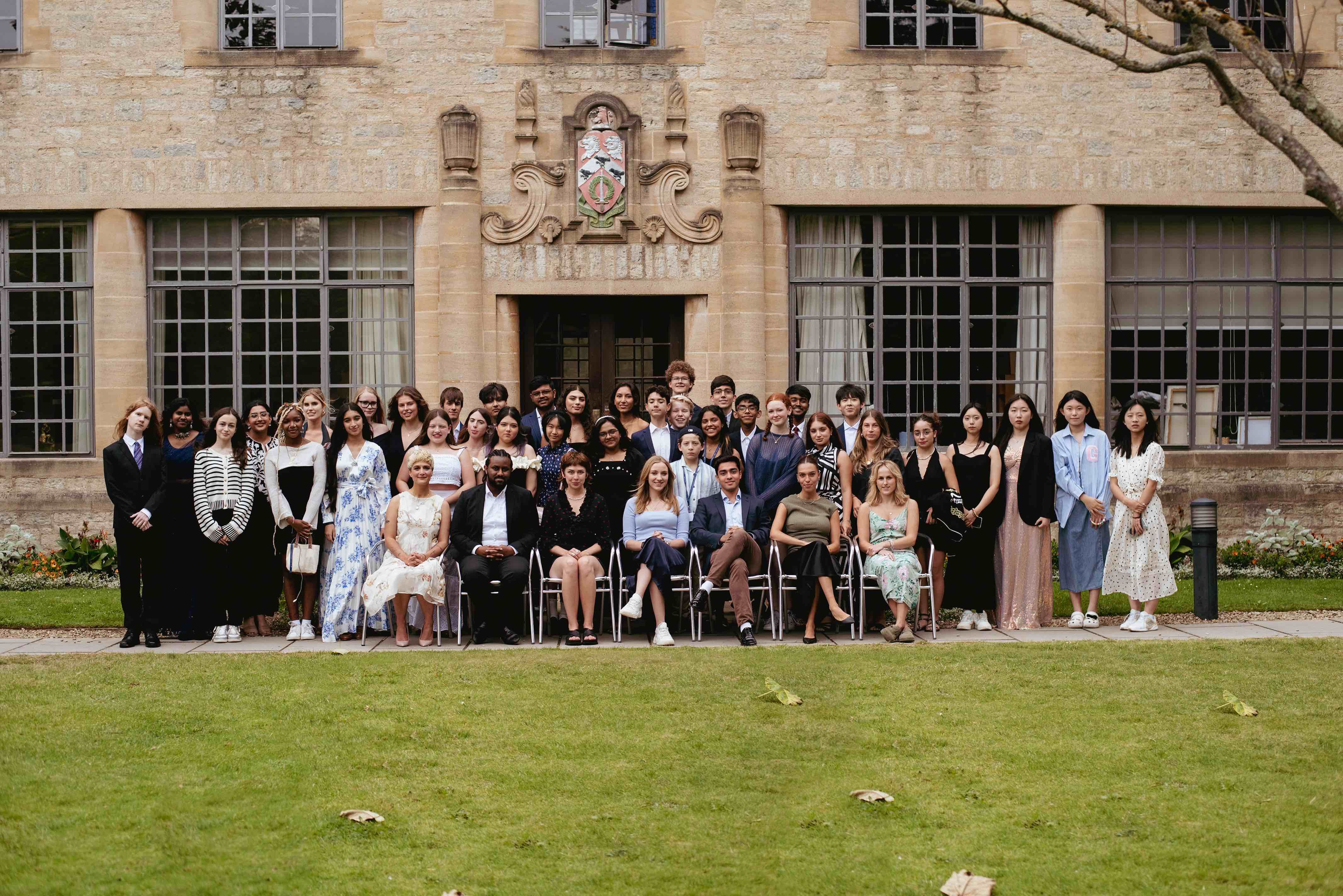
At The Oxford Institute, we also host our annual summer program at St. Anne's College, Oxford. Students select 2 out of 30 subject offerings and study at the University of Oxford, which is one of the most prestigious universities globally.
Moreover, they have access to Oxford's dining halls, lecture theatres, tutorial rooms, and sports and recreational facilities. Students are taught using Oxford's famous tutorial method to ensure focused discussions in small cohorts.
Enrol in the Oxford Summer Program today for an unforgettable summer experience.
B) Research-Focused Programs
These programs are led in labs, research groups, or supervised projects, where students have the opportunity to explore a particular subject area in depth over the course of the program. These programs will be helpful for your college admissions if you are interested in STEM, medicine, engineering, or other research-based fields.
Colleges deeply value research at the high school and pre-university levels. Research indicates that research work assesses a student's analytical skills, curiosity, and intellectual maturity.
Projects are a powerful milestone in your application.
C) Skills and Leadership Programs
These programs are also very important. They improve the child's communication, leadership, entrepreneurship, and debating skills.
Top colleges deeply value students who can become powerful leaders of the future and create an impact. Therefore, enrolling in a well-known and prestigious summer program that offers these skills will definitely give you an edge in your college application process.
Many of our programs, like the Oxford Summer School, the Oxford China Program, and the Oxford London Program, focus on developing leadership and speaking skills. Debate coaching is part of our programs, and students really enjoy the experience.
In fact, leading is one of our three foundational pillars of the Oxford Summer Program. The other two are learning and lifestyle. When all these pillars come together, you get a perfect summer program experience that universities will value as well.
Also, while writing your personal essay, mention how taking the leadership program shaped you. Universities are not just looking for students who took a course, but also for how it had an impact on you.
D) General Camps vs Academic Enrichment (Quick Distinction)
General camps are about experience and enjoyment. On the other hand, academic enrichment programs focus on learning outcomes and intellectual growth. Each has value, but only one directly supports a competitive college application.
If your aim is admissions impact, then structure and challenge, combined with an opportunity to reflect, always have a greater value than programs structured as pure recreations.
However, recreational programs remain beneficial for students because they allow them to network, explore new places, and recharge before the next academic session begins.
How Summer Programs Strengthen a College Application (Concrete Ways)?
Summer programs help college admissions in several ways. A strong, prestigious program won't just idly sit on your application. Instead, it will show everywhere in your essays, your recommendation letters, and your overall confidence.
Personal Statement & Essay Differentiation
Admission officers are reading thousands of personal statements during each application cycle. Having a valuable summer program in your statement sets you apart from other students.
You have real moments to write about, instead of vague statements. For instance, instead of saying. "I love to debate." You can show how your passion was exercised and challenged during the summer program.
Demonstrating Subject Commitment
If you choose an academic summer program and select a subject that you later wish to pursue in your bachelor's, you might not realise it yet, but you have really levelled up your game.
Choosing to study your subject of interest during the summer at prestigious programs hosted by universities like Oxford says a lot about a child. It portrays their commitment, dedication, and work beyond the classroom.
Strong Letters of Recommendation
The best letters of recommendation don't just come from your school teachers. It comes from mentors who have seen you think and act. You can always request your mentors or tutors at the summer program for recommendation letters, and they might turn in something great.
At The Oxford Summer School, small cohorts are taught by expert tutors who are well-aware of each student in their cohort. These tutors can reflect your talents in their recommendation letters and increase your chances at your dream college.
Interview Talking Points and Narrative Building
Giving interviews becomes much easier when you have stuff you can talk about. The right summer programs offer experiential learning and good growth opportunities.
Therefore, you will have ample points to talk about in your interview phase. As a result, you will naturally be more confident.
Do Elite Universities Value Summer Programs?
Top universities, such as Ivy League schools and premier universities in the UK, do appreciate the concept of summer programs. However, this is not what most people expect. Admissions officers don’t just reward those who attend summer programs. They assess summer experiences based on a student’s thought process, what they wish to learn on their own, and whether they’re prepared for academic rigour.
From this view, a summer program is a signal, not a shortcut. It demonstrates how a person chooses to spend time when there is no obligation to learn. Programs that entail scholarly study, critical discussion, and/or research enable admissions officers to evaluate intellectual curiosity and self-motivation, both of which are highly valued.
Prestige, however, is not something that, standing alone, carries much weight. Famous program names wind up on thousands of applications every year. What matters is not where applicants went, but what they did there and how effectively they can reflect on it afterwards. Waiting in the wings does not bring much glory.
It is not so much the academic aspect that enhances an application, but rather a balance between the academic and the reflective. When individuals can express their personal experiences regarding learning, how their views changed, and how the experience relates to their future educational goals, the summer program becomes important in the eyes of elite institutions.
Why Oxford Summer Program is the right program for college admissions?
The Oxford Summer Program closely aligns with its academic intent, which sets it apart. Students can choose two subjects from 30 offerings, with one serving as the major and the other as the minor. Since they spend time on two subjects in detail during the program, they can develop concepts with focus.
Moreover, during these programs, we also conduct seminars that focus on the Oxbridge admission processes.
Admissions Preparation sessions provide students with a clear and structured understanding of the Oxford and Cambridge application process. These sessions guide students through subject selection, college choice, academic requirements, and the UCAS application timeline, with particular emphasis on the early Oxbridge deadline. Students understand what admission officers look for and how academic potential is assessed beyond grades.
A significant focus is placed on super-curricular development and personal statement strategy. Students learn to demonstrate genuine subject engagement through academic reading, research projects, and critical reflection. This ensures their application reflects depth rather than breadth. The sessions also cover admissions tests and written work requirements. Therefore, students understand the format, expectations, and preparation strategies for course-specific assessments.
Finally, students gain insight into the interview process through detailed breakdowns and practical guidance on how to think aloud, respond to academic challenges, and engage in tutorial-style discussions. By demystifying interviews, pooling, and offering conditions, these sessions equip students with a comprehensive understanding of the Oxbridge admissions journey and the confidence to approach each stage strategically and authentically.
Moreover, the tutorial teaching methodology at our Oxford Summer Program ensures that a small cohort is taught by an expert tutor. Therefore, the student is focused on. Consequently, clear and sharp concepts are an outcome of this teaching method.
Above all, our Oxford Summer Program itself is tied to the prestigious University of Oxford - a place where many great minds studied. This automatically increases the worth of our program.
College admission officers, hence, see our program as a strong addition to your application.
Therefore, if you genuinely wish to strengthen your college application with a valuable summer program, explore our Oxford Summer Program and take the next right step.
FAQS
1) Do summer programs really help college admissions?
Yes, strong summer programs can positively impact college admissions when they demonstrate academic curiosity, subject commitment, and initiative beyond the classroom. Admissions officers value how students use their time independently, especially when programs involve rigorous learning, reflection, or research rather than passive participation.
2) Are all summer programs viewed equally by top universities?
No. Not all summer programs carry the same admissions value. Academic, research-driven, and structured university-based programs tend to signal intellectual engagement more strongly than general camps or recreational experiences. What matters most is the depth of learning and how the experience shapes the student’s academic narrative.
3) How do summer programs strengthen a personal statement or college essay?
Summer programs provide concrete experiences, challenges, and learning moments that students can reflect on in their essays. Instead of generic claims of interest, students can demonstrate growth, critical thinking, and subject engagement through specific examples, which helps essays stand out in competitive admissions pools.
4) Do elite universities like Oxford, Harvard, or Stanford value program prestige?
Prestige alone does not guarantee admissions value. Elite universities focus on what students did during the program, what they learned, and how they reflect on the experience. Programs that combine academic rigor with meaningful engagement and self-reflection are far more impactful than name recognition alone.
5) Can summer programs help with recommendation letters and interviews?
Yes. High-quality summer programs often involve small cohorts and close interaction with expert tutors or mentors. This allows instructors to write detailed recommendation letters based on direct academic observation. Additionally, experiential learning gives students strong talking points for interviews, improving confidence and clarity.
6) Why is the Oxford Summer Program a strong choice for college admissions preparation?
The Oxford Summer Program offers academically structured learning through Oxford’s tutorial-style teaching, subject specialization, and admissions preparation sessions. Students gain exposure to super-curricular development, personal statement strategy, admissions tests, and interview preparation, making it a comprehensive program aligned with what top universities value in applicants.