Oxford Summer School Subjects List | Oxford Summer Courses for Students
Browse the full list of Oxford Summer School subjects, from medicine and law, economics, AI, engineering, and humanities, and design your personalised Oxford Summer Program.

At the Oxford Summer Programmes, students may choose from a wide range of subjects, organised into four main categories. Delivered by Oxford tutors, each student selects two subjects: a Major and a Minor. Both are taught through Oxford-style tutorials in small classes, with a student-to-teacher ratio of 1:1 to 1:3, ensuring personalised guidance and close interaction with world-class academics.
By the end of the programme, students write a short essay (1,500-2000 words) for their Major subject, which is formally assessed. To support this, dedicated academic writing workshops are provided. Students also deliver a presentation based on their essay, with workshops on public speaking and presentation skills, giving every student a full Oxbridge tutorial experience.
This structure allows students to explore their academic passions in depth while gaining a broader perspective across disciplines.

STEM (Science, Technology, Engineering, and Mathematics)
Our STEM courses are discussion- and theory-based, allowing students to explore scientific ideas and problem-solving in a tutorial format. Students develop critical thinking and analytical skills while exploring:
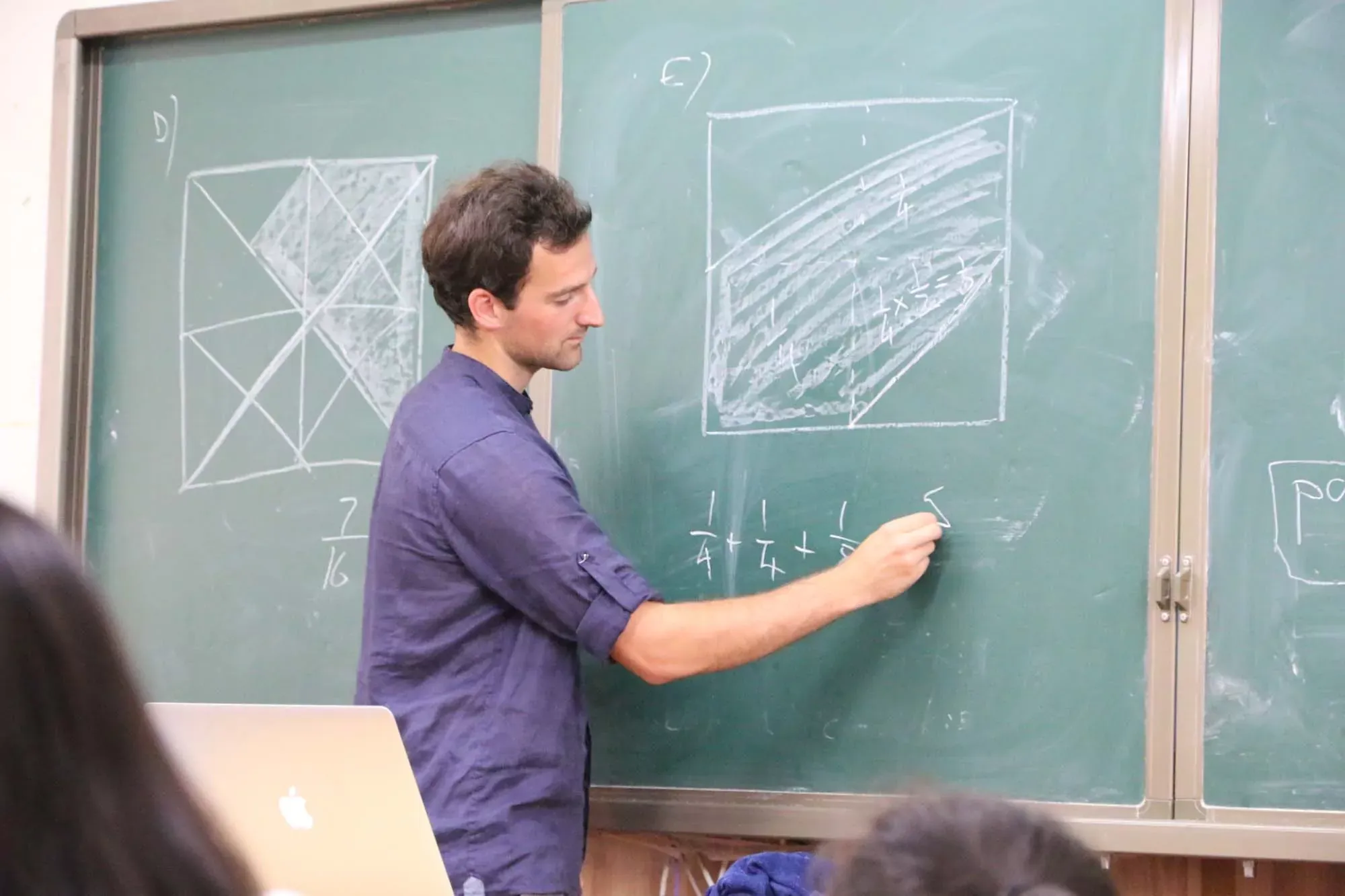
Mathematics
From foundational concepts to advanced theories, strengthening logical reasoning and problem-solving.
Physics
Study the principles governing the universe through discussion and problem-solving exercises.

Information Technology (IT)
Explore algorithms, data structures, and emerging technologies through guided analysis.

Medicine
Examine human anatomy, disease, and treatments through theoretical case studies.

Engineering Concepts
Study mechanical, civil, and electrical principles through problem-solving challenges.

Chemistry
Learn the theory behind chemical principles, reactions, and structures.

Biology
Explore genetics, ecosystems, and life sciences through discussion and case studies.

Statistics & Data Analysis
Analyse and interpret data, recognising patterns and trends.

Artificial Intelligence (AI)
Understand machine learning and intelligent systems at a conceptual level.
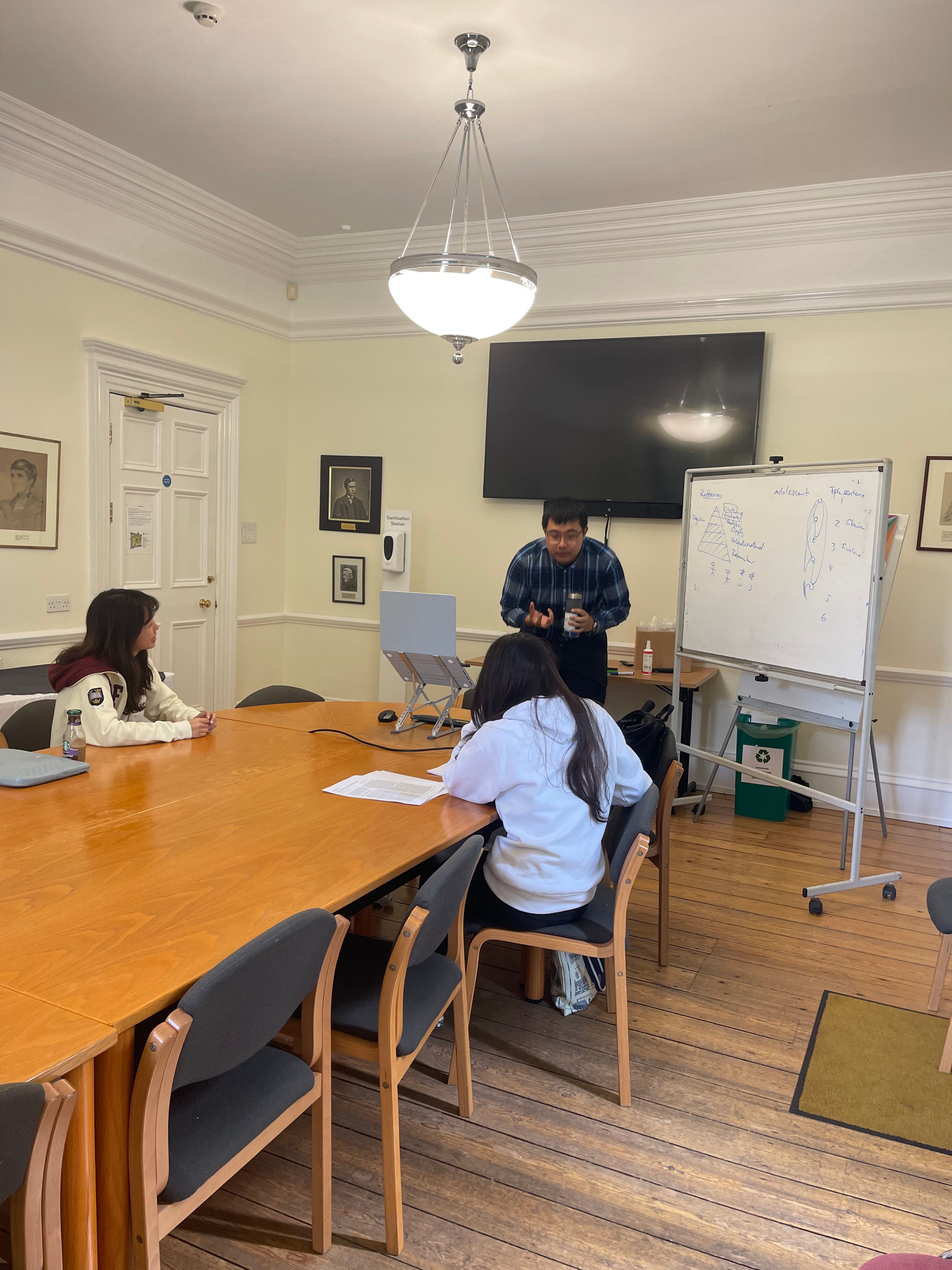
Environmental Science
Investigate climate change, conservation, and sustainability challenges.
Humanities and Social Sciences
Students engage in Oxford-style tutorials to discuss, debate, and research ideas shaping human society and culture. Courses include:


Economics
Study markets, resource allocation, and economic policy.

World History
Examine global events and their ongoing significance.

International Relations
Explore diplomacy, conflict resolution, and global cooperation.

Law & Society
Understand legal theory, case studies, and societal impact.

Politics
Debate governance, political theory, and decision-making.

Psychology
Analyse cognition, behaviour, and emotional processes.
Sociology
Examine social structures, norms, and cultural change.

Philosophy
Explore ethics, logic, and metaphysics.

Theology & Religion
Study world religions and their impact on history and culture.

Arts and Creativity
Oxford’s artistic heritage inspires students to express themselves through theory, discussion, and guided creative practice:

English as a Foreign Language
Study classic and contemporary texts, analysing style, themes, and meaning.

English Literature
English Literature

Creative Writing
Develop storytelling, poetry, and composition skills in a guided workshop format.

Classics
Explore ancient Greek and Roman literature, history, and philosophy.

Drawing & Fine Arts
Discuss artistic theory and develop personal projects in sketching and painting.

Music
Study theory, history, and performance concepts.

Photography
Explore visual storytelling, composition, and conceptual thinking.

Drama
Develop confidence, stagecraft, and acting through discussion and rehearsal exercises.
Leadership and Business
Students gain insight into leadership, entrepreneurship, and communication through tutorials, case studies, and interactive workshops:


Business Studies
Understand management, marketing, and economic principles.
Entrepreneurship
Explore idea generation, innovation, and enterprise development.
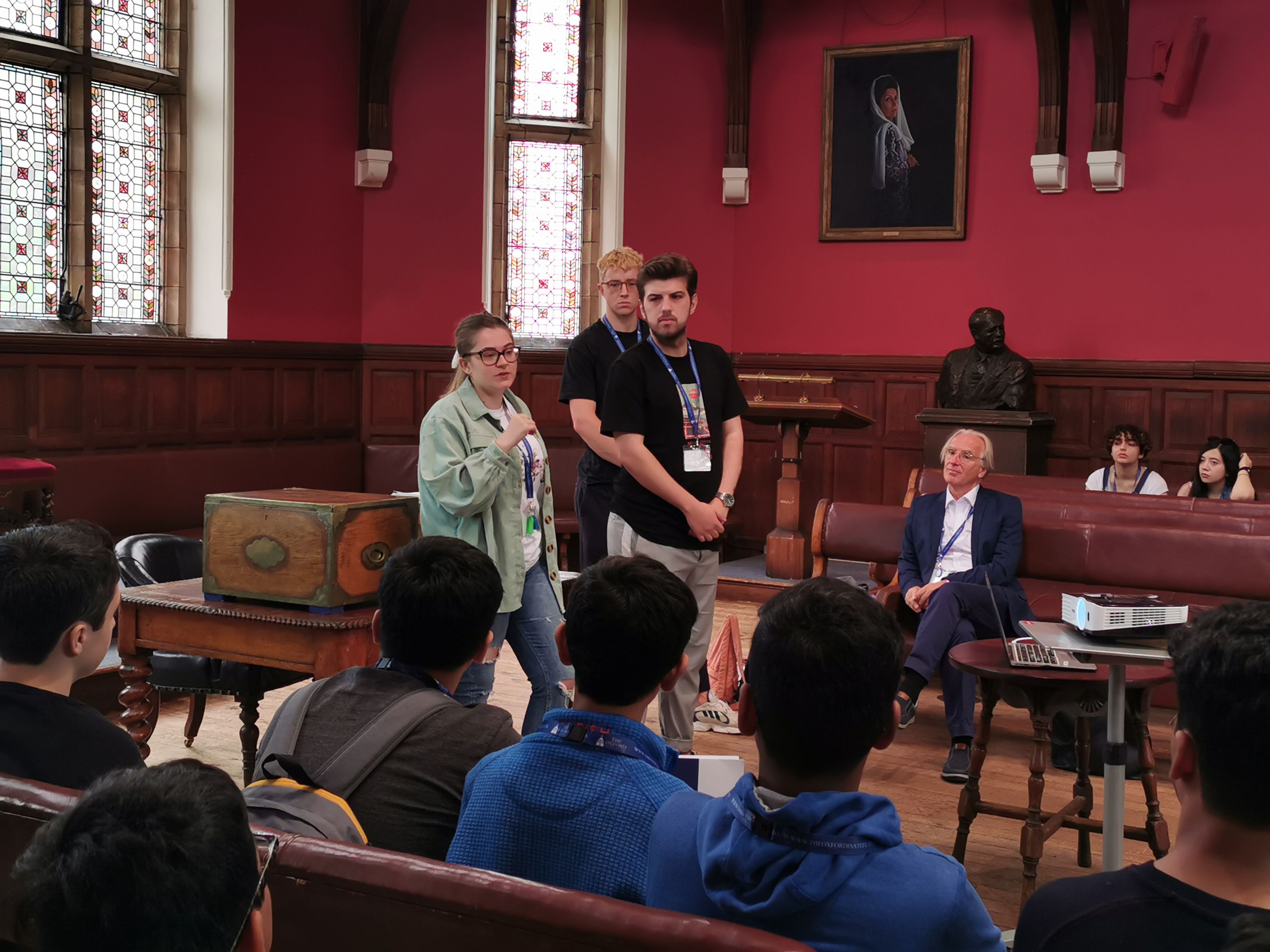
Debate and Public Speaking
Learn from Oxford Union members to craft persuasive arguments and communicate with confidence.